Lady Belletrist

Lessons From the Ton: Etiquette and Social Graces

Menu
  • Home
  • Blog
  • Counsel
    • Dress Codes and Social Expectations
    • Elegant Living and Society
    • Eloquent Achievements and Graceful Triumphs
    • Social Grace and Etiquette
  • Ask Lady Belletrist
  • Lady Belletrist’s Cinematic Analyses
  • Society & Scandal
Menu

Category: Social Grace and Etiquette

A Regency Christmas: Traditions That Warm the Heart

Posted on 11/18/202411/17/2024 by Lady Belletrist

Greetings, dear Reader!

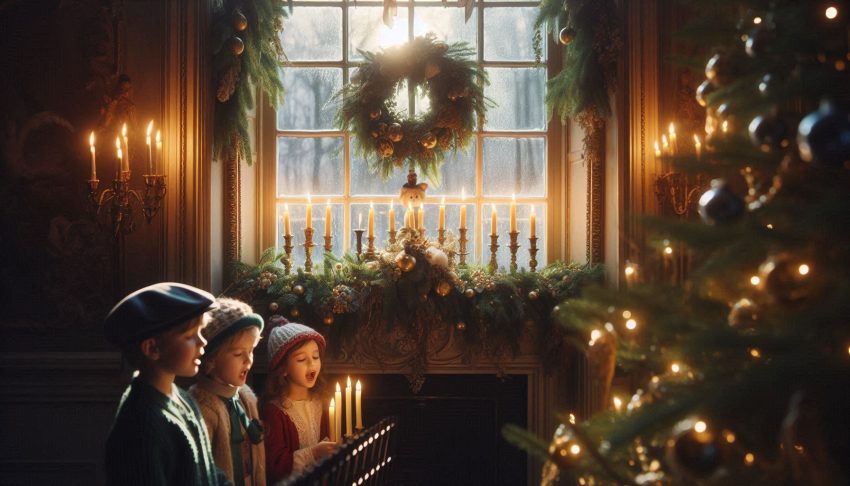
As winter’s chill settles over the land, I invite you to journey with me into the heart of a Regency Christmas. There is something so captivating about this season—a time of candlelight, evergreens, and heartfelt gestures that remind us of the simple joys of Christmastide. Allow me to share with you the customs and traditions that shaped my holidays, from the merriment of Twelfth Night to the heartfelt exchange of gifts.

Twelfth Night Revelry: The Joy of Gathering

Ah, the joys of Twelfth Night! In my household, this evening marks the grand finale of the Christmas season, filled with laughter, games, and, dare I say, a delightful bit of mischief. Picture, if you will, each guest drawing a slip from the “King’s Cup,” assigning them a humorous role to play for the evening. Even the most dignified of friends cannot resist donning a character, bringing out the playfulness in all.

And let us not forget the Twelfth Cake, a lavish confection decorated with dried fruits and sugar. A little surprise—a bean or a pea—would be hidden within, crowning its finder as “king” or “queen” of the night. I can assure you, dear Reader, it is the source of much joy and teasing when the crown is bestowed.

The Art of Gift-Giving: Simple and Sincere

For me, there is no charm quite like the thoughtful simplicity of Regency gift-giving. Unlike the grandiose displays one sees today, a Regency gift is an intimate gesture—a small, thoughtful token crafted by one’s own hands. An embroidered handkerchief, a poem written just for the recipient, or perhaps a delicate sachet of lavender sewn with care—these are gifts from the heart.

If I may suggest, as you consider your own holiday giving, think of the small, handmade treasures that show a bit of your heart. How much more lasting is the joy in receiving such a thoughtful keepsake than anything grand or flashy!

Decorating with Evergreens and Candlelight

Picture a Regency home at Christmas: the scent of evergreens filling the air, garlands draped gracefully across mantels, and a warm glow from countless candles casting a serene light. How my heart sings at the sight of it! Although we do not have Christmas trees just yet, our homes are indeed brimming with greenery, symbolizing eternal life and the warmth of the season.

And then, there is the Yule log, a sturdy, hearty piece of wood placed in the hearth to burn all night, filling the home with warmth and light. We gather around its glow, sharing stories and songs, creating memories that last long after the fire fades.

Feasting in True Regency Fashion

Dear Reader, no Regency Christmas would be complete without a grand feast! In my own home, we relish the familiar tastes of roasted goose or a splendid boar’s head, surrounded by fragrant mince pies, spiced chestnuts, and a steaming Christmas pudding. Wine flows, laughter rings out, and toasts are made to family and friends—those near and far.

A Regency table is set with elegance, each dish lovingly prepared and presented. It is not merely a meal; it is a celebration of family, friendship, and the blessings of the season.

A Parting Thought

I do hope, dear Reader, that in sharing these traditions, I have inspired you to slow down, savor the season, and perhaps bring a touch of Regency grace into your own holidays. After all, it is in the simplest moments—the exchange of a small gift, the warmth of a fire, the laughter shared with loved ones—that we find the truest joys of Christmas.

Yours in holiday cheer,



Lady Belletrist

Mastering Wine Etiquette: A Connoisseur’s Guide to Sipping in Style

Posted on 11/13/202311/13/2023 by Lady Belletrist

Dear reader,

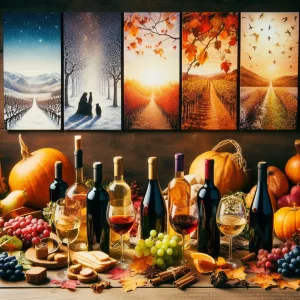
As a devoted wine enthusiast, I cherish wine as more than a beverage—it symbolizes culture, sophistication, and pure pleasure. Navigating the nuances of wine etiquette can be daunting for beginners. How do you choose the perfect wine for an occasion? How do you serve it with finesse? How do you appreciate and avoid common blunders? In this article, let’s embark on a journey through the art of wine etiquette, drawing from the wisdom of vintage books that have shaped generations’ manners and customs. Whether hosting a dinner, attending a wine tasting, or enjoying a quiet glass at home, these tips ensure you sip in style and master the art of wine etiquette.

Choosing the Right Wine

Initiate your wine etiquette journey by selecting the ideal wine for any occasion. Consider factors like time of day, season, menu, budget, and preferences of those sharing the wine:

– Daytime events call for light, refreshing options like sparkling wine, rosé, or white wine.
– Winter or fall gatherings pair well with rich, full-bodied choices like red wine or dessert wine.
– When pairing with food, match the weight and intensity of the wine with the dish for a harmonious experience.
– For budget-friendly options, explore wines from lesser-known regions, grape varieties, or producers.
– Crowd-pleasing choices include versatile options like Pinot Noir, Chardonnay, or Prosecco.

Serving the Wine

Learn to serve wine with finesse by mastering the opening, pouring, and storing process:

– Open a bottle quietly and smoothly using a classic wine key or corkscrew.
– Pour wine gracefully, holding the bottle with elegance and giving it a slight twist to avoid spills.
– Store wine in a cool, dark place away from heat, light, and vibration, preserving its quality.


Tasting the Wine

Refine your wine etiquette skills by appreciating wine through sight, smell, and taste:

– Examine the wine’s appearance, observing color, clarity, and intensity against a white background.
– Swirl the glass to release aromas, identifying scents like fruits, flowers, spices, or oak.
– Taste the wine by sipping and identifying flavors such as sweetness, acidity, tannin, and body.

Enjoying the Wine

Ultimately, the primary rule of wine etiquette is to savor the experience. Trust your palate, share wine with good company, and enjoy it as a source of pleasure. Cheers!

Yours Truly,

The Art of Introduction: Navigating Social Settings with Grace

Posted on 11/05/2023 by Lady Belletrist


Dear Reader,

In a world filled with social gatherings, whether they’re casual get-togethers, professional meetings, or grand events, the art of introduction plays a pivotal role. A well-executed introduction can set the tone for a positive interaction, while a clumsy one might leave you with an awkward impression. In this post, I’d like to explore the significance of introductions in various settings and provide you with tips on how to navigate social scenarios with grace.

The Purpose of Introductions

Introductions serve multiple purposes in social settings. They not only set the stage for an interaction but also establish connections and demonstrate respect. When you introduce two individuals to each other, you’re essentially creating the initial atmosphere for their conversation. This atmosphere can range from formal and professional to casual and relaxed, depending on the context.

Introductions are also significant because they can help you build rapport, create opportunities, or enhance your reputation. A well-facilitated introduction can make people feel at ease, encouraging them to engage in meaningful conversations. It can also open the door for future interactions, collaborations, or friendships. Moreover, it can show that you are confident, courteous, and interested in others.

Types of Introductions

Introductions can be categorized into several types, each suited to different scenarios. Formal introductions are often necessary in professional settings, where titles and affiliations are essential. Informal introductions, on the other hand, are more relaxed and common in social gatherings among friends and acquaintances. There are also group introductions, which can be particularly challenging but are necessary when introducing multiple people simultaneously.

To illustrate the difference between formal and informal introductions, here are some examples of how they might sound:

  • A formal introduction: “Mr. Smith, I’d like to introduce you to Dr. Jones, the director of our department. Dr. Jones, this is Mr. Smith, one of our senior consultants.”
  • An informal introduction: “Hey, this is my friend Sam. He’s a great musician and he plays the guitar. Sam, this is Lisa. She’s a huge fan of rock music and she loves going to concerts.”

The Proper Etiquette

Navigating the art of introduction requires understanding the proper etiquette. Here are some guidelines to follow when making introductions:

  • First, initiating introductions depends on the context: In a professional setting, the higher-ranking person typically initiates the introduction. In social gatherings, anyone can take the initiative to introduce others. Remember that initiating introductions is a considerate way to facilitate connections.
  • Second, proper phrasing is essential. For instance, if you’re introducing someone with a professional title, it’s respectful to include that title in the introduction; in informal settings, it’s perfectly acceptable to keep introductions brief and relaxed.
  • Finally, nonverbal cues play a significant role in introductions. Maintaining eye contact, offering a warm smile, and using a confident tone all contribute to a positive first impression.

Overcoming Introduction Anxiety

It’s common to experience anxiety when making introductions. However, it’s essential to remember that everyone experiences these anxieties at some point. Common fears often include forgetting names, making a mistake, or fearing rejection.

To build confidence, start by understanding that people are generally forgiving of social slip-ups. Remembering that everyone makes mistakes can help alleviate some of the anxiety.

Additionally, practice and preparation are your best allies. The more you practice introductions, the more confident you become. Also, take the time to learn memory techniques to help you recall names effectively.

The Art of Remembering Names

A vital part of making a good introduction is remembering names. People appreciate it when you remember their names, and it can leave a lasting positive impression.

To improve your name-recalling skills, try techniques such as repeating the person’s name when introduced, associating the name with a distinctive feature, or creating mental images related to the name.

Conclusion

The art of introduction is a skill that can greatly enhance your social interactions. It sets the stage, fosters connections, and displays respect. By understanding the different types of introductions, following proper etiquette, and overcoming introduction anxiety, you can navigate social settings with grace and confidence. Remember, practice makes perfect, so seize every opportunity to hone your introduction skills.

Warm regards,

Lady Belletrist signature


  • Instagram
  • Facebook
  • TikTok
  • X

Lady Catherine Belletrist

Mistress of Etiquette from The Georgian, Regency, and Victorian Era.

  • The Well-Appointed Hostess: How a Southern Scandal in Gate City Burnt More Than the Quiche
  • A Regency Christmas: Traditions That Warm the Heart
  • Mastering Wine Etiquette: A Connoisseur’s Guide to Sipping in Style
  •  The Art of Gift-Giving: How to Impress Me with Etiquette
  • Fashionable Fabrics: A Victorian Primer on Material Selection

Recent Comments

No comments to show.

Archives

  • July 2025
  • November 2024
  • November 2023
  • October 2023
  • September 2023

Categories

  • Blog
  • Dress Codes and Social Expectations
  • Elegant Living and Society
  • Social Grace and Etiquette
  • Society & Scandal

The Lawful Ledger

  • CCPA – California Consumer Privacy Act
  • DMCA
  • Privacy Policy
  • Terms of Use
©2026 Lady Belletrist